Toggle light / dark theme

Finding Success Where Theoretical Science and Practical Uses Meet

Born and brought up in East Germany, Professor Franka Kalman is a much-respected figure in the field of separation sciences. Following undergraduate and postgraduate studies at the Technical University Budapest, Hungary, where she learned about the then emerging technique of high performance liquid chromatography (HPLC), she applied that knowledge to complete her PhD looking at the analysis of novel opioid peptides at Martin Luther University Halle, Germany.

Her postdoctoral studies in the lab of the late, great Professor Csaba Horvath at Yale University, a placement that by all accounts provided both a grounding and springboard for her future career, were to be transformative and the techniques she developed there have gone on to be game-changing in the world of pharmaceutical development, analysis and quality control. Work for which she was recognized in 2012, when she was presented with the prestigious CEPharm Award from the Californian Separation Science Society (CASSS) for significant contributions to the practical application of capillary electrophoresis (CE) in the biotechnology and pharmaceutical industries.

After her time as a postdoc, she spent 13 very successful years in the pharmaceutical industry, working at the interface between science and industrial applications.
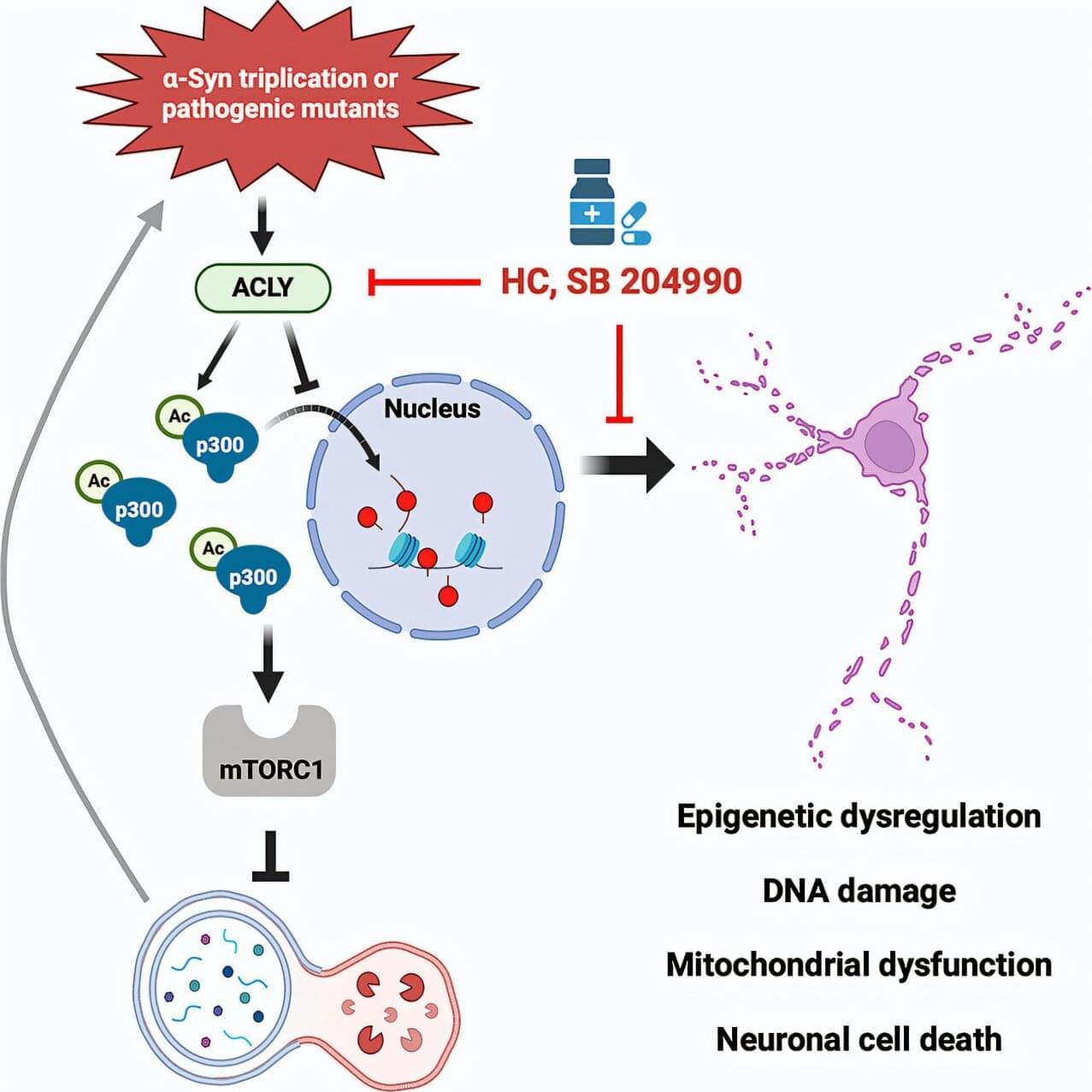

Metabolic driver of Parkinson’s disease offers new target for treatment

Researchers have identified a key enzyme driving forms of Parkinson’s disease, and have shown how blocking it restores normal function in animal and cell models, offering a promising new drug target for the condition.

The work is published in the journal Neuron.

In Parkinson’s, a protein known as alpha-synuclein builds up in clumps called Lewy bodies in nerve cells in the brain. These clumps of protein stop these cells from functioning normally, eventually leading the cells to die.

Scientists create rewired brain cells that could cure Alzheimer’s

In a world-first, scientists have figured out how to reprogram cells to fight — and potentially reverse — brain diseases like Alzheimer’s.

Researchers at the University of California, Irvine created lab-grown immune cells that can track down toxic brain buildup and clear it away, restoring memory and brain function in mice.

They did this by turning stem cells — which can become any cell in the body — into brain immune cells called microglia.

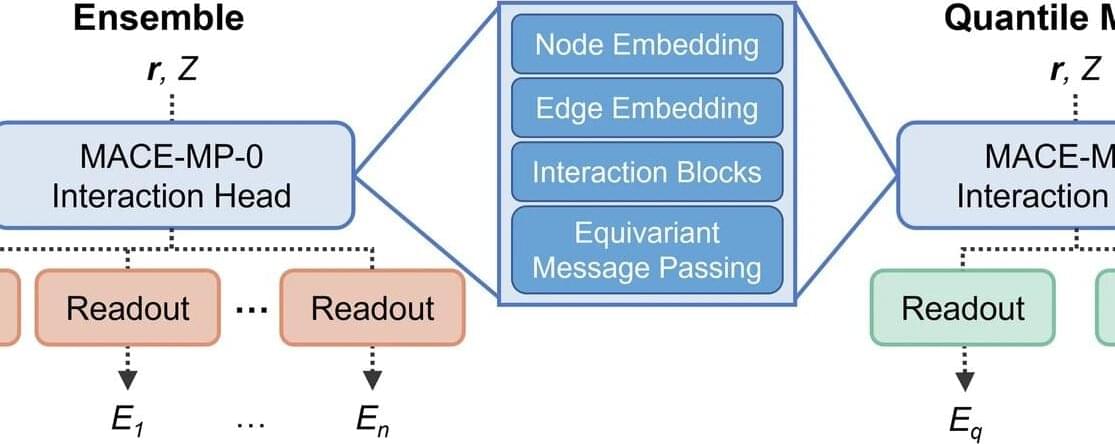
A new way to measure uncertainty provides an important step toward confidence in AI model training

It’s obvious when a dog has been poorly trained. It doesn’t respond properly to commands. It pushes boundaries and behaves unpredictably. The same is true with a poorly trained artificial intelligence (AI) model. Only with AI, it’s not always easy to identify what went wrong with the training.

Research scientists globally are working with a variety of AI models that have been trained on experimental and theoretical data. The goal: to predict a material’s properties before taking the time and expense to create and test it. They are using AI to design better medicines and industrial chemicals in a fraction of the time it takes for experimental trial and error.

But how can they trust the answers that AI models provide? It’s not just an academic question. Millions of investment dollars can ride on whether AI model predictions are reliable.

/* */